|
Because the official narrative rarely tells the whole story.
|
|||||||||||
|
Wednesday, November 4, 2026
|
|||||||||||
|
From the fire to the order that saved the backup paper
11 DAYS
FIRE REPORTED, JULY 12, 1973 → FPMR B-39 ISSUED, JULY 23, 1973
|
|||||||||||
|
|||||||||||
|
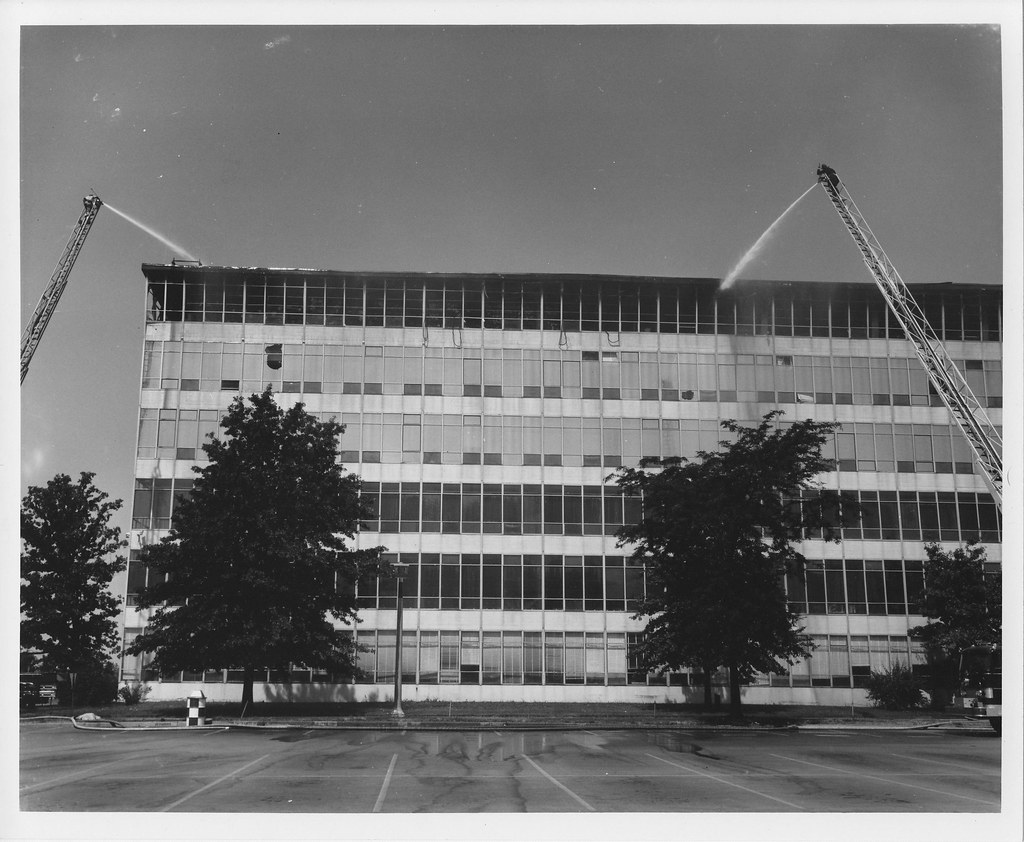
A 1973 fire burned up to 18 million military files in St. Louis, and the records center still rebuilds them
|
|||||||||||
|
|||||||||||
|
My father went to war in 1943, and his Army file burned in 1973.
I learned that from the inside. For 26 years I pulled other men’s service files at the records center outside St. Louis, and his folder had gone to ash long before my first day.
My wife Marilyn says I talk about that fire like it happened last week. She has a point… it was 53 years ago this July.
Once a month I set the stories down and hand you a tool instead. This one is the tool I used every working day: how to get a service file out of St. Louis, burned or not.
Here is the limit, up front. The center can’t hand back paper that burned. It rebuilds the outline of a man’s service from other paper, and by its own 2023 count it triages more than 30,000 fire-affected files a year.
Start with a test of what St. Louis can still use.
|
|||||||||||
|
|||||||||||
|
|||||||||||
|
|||||||||||
|
Those are the losses. Here is the work, in four steps.
Step one: find his side of the 62-year line
The National Archives opens a service file to the public 62 years after the man left the service.
Its own page draws that line at 1963. The page was reviewed on January 6, 2026, and it still says the current year is 2025.
By the page’s own arithmetic, this year’s line is 1964. If your man got out in 1964, ask St. Louis which side his file sits on before you fill out a form.
A file from 1963 or earlier is archival and open to anyone, though the Archives can charge for copies. Files after that open in full to the veteran and his next of kin.
Step two: check that you count as next of kin
The Archives names them: a widow or widower who has not remarried, a son, a daughter, a father, a mother, a brother or a sister.
You’ll need proof he died. A death certificate works, and so does a letter from the funeral home or a printed obituary.
My brother Denny died in 2021, so I count for his. I asked, and his file came back as unit codes and dates from 1968.
The fire missed his folder by nine years. Army losses stop at men discharged before 1960, and Denny came home in 1969.
Step three: send Standard Form 180
The form is the SF-180, Request About Military Records. Mail it to the National Personnel Records Center, 1 Archives Drive, St. Louis, MO 63138, or fax it to 314-801-9195.
A veteran or next of kin can also file online through eVetRecs.
Sign it and date it. The Archives wants every request signed within the last year.
Give his full name as he used it in the service, his service number, his branch, his dates of service, and the date and place he was born.
If the fire touched his file, add three more lines: where he was discharged, his last unit, and where he went in. A technician in St. Louis will work from those three lines.
Send copies of his papers and keep the originals. The Archives does not return what you mail in.
Step four: if it burned, let them rebuild it
A burned file gets rebuilt from the five kinds of paper in the quiz above, plus the Army and Air Force morning reports that staff saved from the burning building.
In April 1974 the center opened the R registry, R for reconstructed. Every rebuilt file has gone there since.
A rebuild takes longer, and the Archives says so on its request page. For a funeral or a surgery, write that in the comments on eVetRecs or on the purpose line of the form, then fax it to 314-801-0764.
The rebuilding started before the fire was out, and the clock on it has run 53 years.
|
|||||||||||
|
|||||||||||
|
|||||||||||
|
|||||||||||
|
|||||||||||
|
|||||||||||
|
Hit reply and tell me whose file you’re chasing, his branch, and the year he got out. That year tells you which side of 62 years you’re standing on.
|
|||||||||||
|
|||||||||||
|
|||||||||||
|
My father’s file sits in the R registry now, built out of his pay records. It is thin, and it is his.
Coulter comes before Hubbard in the alphabet. That would have spared his folder if he had flown for the Air Force.
He was Army, and the Army loss has no name on its edge.
Whichever side of Hubbard your man’s name falls on, start with the form.
Talk tomorrow,
Ray
|
|||||||||||
|
|||||||||||
|
“A popular Government, without popular information, or the means of acquiring it, is but a prologue to a Farce or a Tragedy; or perhaps both.”
JAMES MADISON, LETTER TO W. T. BARRY, AUGUST 4, 1822
|