|
Because the official narrative rarely tells the whole story.
|
||||||||
|
Wednesday, Oct. 28, 2026
|
||||||||
|
From the classified volume to its FOIA release
11,969 DAYS
VOL. I DATED 25 FEB 1977 → RELEASED 3 DEC 2009
|
||||||||
|
||||||||
|
Edward Nevin died five weeks after the Army sprayed a cloud of bacteria over San Francisco
|
||||||||
|
||||||||
|
I pulled other men’s files for 26 years at a federal records center outside St. Louis. Most weeks, the paper could tell a family how their man died. Edward Nevin’s family waited 26 years for their page.
The Army has always said its spray did not kill him, and no court ever ruled otherwise. You should hear that from me first.
Edward Nevin was a retired pipe fitter in San Francisco, 75 years old. In the fall of 1950 he lay in Stanford Hospital, getting over an operation.
He died there on November 1, 1950. I was a baby in Dayton, Ohio, in my mother’s arms...
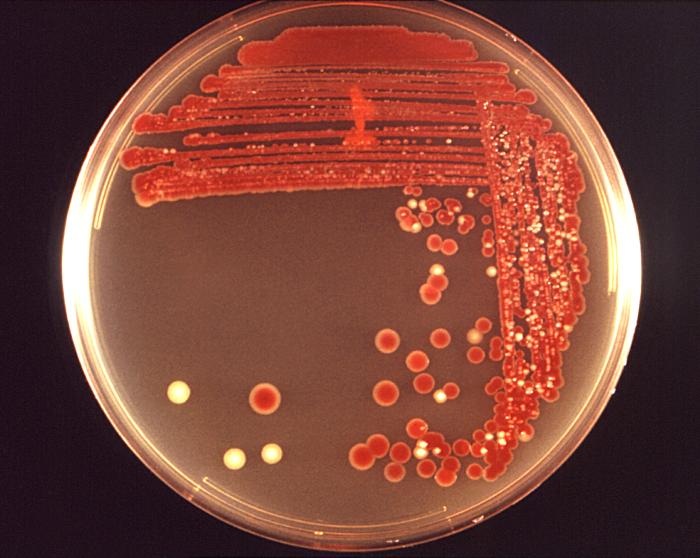
In the last week of September 1950, a Navy ship working for the Army sprayed bacteria into the wind off San Francisco. Almost all of the city’s 800,000 residents breathed some in.
To see how a ship came to be spraying a city, you have to go back eight years, to a memo on Franklin Roosevelt’s desk.
On April 29, 1942, Secretary of War Henry Stimson wrote the President that germ war was “dirty business” but the country had to be ready. The Army quoted him in its own history 35 years later.
After a study in May 1949, the Army set up a Special Operations Division at Camp Detrick, Maryland. Its job was to learn how a hidden germ attack on the United States would work.
San Francisco Bay, in September 1950, was its first big outdoor test. The Army’s 1977 history owns up to more than that one.
|
||||||||
|
||||||||
|
||||||||
|
||||||||
|
The Army wrote those two words, totally harmless, in 1977. In the fall of 1950, the doctors at Stanford Hospital had 11 patients with the same rare infection.
Dr. Richard Wheat treated Edward Nevin and the others. He wrote the cases up for the Archives of Internal Medicine in October 1951.
Ten of the 11 got better. Edward Nevin’s infection reached his heart, and you already know how that ended.
The Army kept the San Francisco test secret until newspapers dug it out in the 1970s. On March 8, 1977, the Army laid it out for Senator Edward Kennedy’s Subcommittee on Health and Scientific Research.
Edward A. Miller, the Assistant Secretary of the Army for Research and Development, spoke for the Army. It had run 239 germ tests in the open air between 1949 and 1969, the Army told the senators.
Senator Richard Schweiker got an unclassified version of the Army’s history into the hearing book. He said much of it had been classified for years.
On May 23, 1977, the subcommittee heard from the scientists. Matthew Meselson of Harvard told them he thought the tests were “idle exercises.”
Then Schweiker asked the question that keeps me up. If the doctors had been warned in 1950, could they have traced the bacteria in those Stanford patients?
Dr. J. Mehsen Joseph of the Maryland health department said it might have been possible, with better facts at the time. By 1977, Schweiker said, the trail was close to impossible to follow.
That is what the secret cost, to my mind. The answer had a shelf life, and the Army let it run out.
Edward Nevin’s grandson, Edward J. Nevin III, was a lawyer in San Francisco. He read about the test in the paper and sued the United States for the whole family.
In August 1979 he wrote to Meselson at Harvard, asking to take his testimony for the trial. The family lost, and in 1983 the Ninth Circuit Court of Appeals held that the tests could not be second-guessed in court.
My father’s service file burned in the 1973 records center fire in St. Louis. I know what it is to come asking after the paper is gone.
My brother Denny came home from Vietnam in 1969. For 52 years he talked to me about the weather and his truck, and 1968 sat in the middle like a locked drawer.
I waited too long to ask him. The Nevins asked as soon as they knew to ask, and by then the trail to Stanford was 26 years cold.
|
||||||||
Volume I, Chapter 3, page 3-2. Released to John Greenewald, The Black Vault, FOIA FA-09-0021, 3 December 2009.
|
||||||||
|
||||||||
|
||||||||
|
||||||||
|
||||||||
|
||||||||
|
Was your family in the Bay Area in September 1950? Hit reply and tell me who, and which part of town they lived in.
|
||||||||
|
||||||||
|
||||||||
|
That one sentence about San Francisco Bay is the page Edward Nevin’s family waited 26 years for. A chapter earlier, the same report calls the bacteria totally harmless.
My wife Marilyn wants the scanner off the dining room table by Thanksgiving. Tonight it stays, next to my reading glasses and that one sentence.
Talk tomorrow,
Ray
|
||||||||
|
||||||||
|
“A popular Government, without popular information, or the means of acquiring it, is but a prologue to a Farce or a Tragedy; or perhaps both.”
JAMES MADISON, LETTER TO W. T. BARRY, AUGUST 4, 1822
|