|
Because the official narrative rarely tells the whole story.
|
||||||||
|
WEDNESDAY, NOVEMBER 18, 2026
|
||||||||
|
Days a draft on the diversion stayed Top Secret
9,799 DAYS
FEB 20, 1987 · DRAFT DATED → DEC 19, 2013 · DECLASSIFIED
|
||||||||
|
||||||||
|
Five documents show how Reagan’s aides tried to destroy the Iran-contra paper trail in November 1986, and how most of it survived
|
||||||||
|
||||||||
|
In 26 years at the records center in St. Louis, I fed zero pages into a shredder.
A page in my building stayed put until a printed schedule said it could go. You learned to treat paper like it belonged to the men in it. It did.
So I keep thinking about Fawn Hall’s Friday...
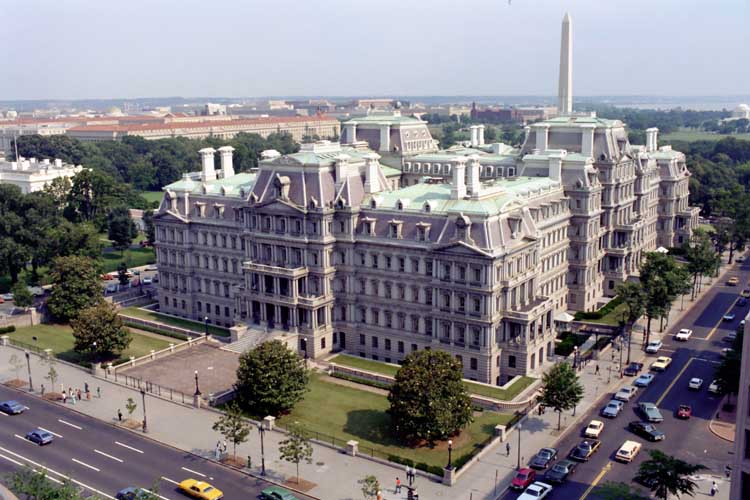
On November 21, 1986, Hall stood at a shredder in suite 302. That is in the Old Executive Office Building, next door to the White House. Her boss was Lieutenant Colonel Oliver North. He pulled files from his drawers and set them on top of the machine. She fed them in, 12 to 18 pages at a time.
That same Friday, National Security Adviser John Poindexter tore up a page President Reagan had signed. He dropped it in the burn basket behind his desk.
I want to be plain about how the court cases ended. Juries convicted North and Poindexter. Appeals courts threw out both sets of convictions. Hall testified under a grant of immunity and was never tried.
My wife Marilyn remembers Hall from the 1987 hearings on TV. Four days after the shredding, Hall tucked papers into her boots and her skirt. Then she walked them out of suite 302.
What stays with me is the paper. Five documents tell the story of that week, and I want to read them to you in order.
To see why that Friday mattered, you have to go back almost a year, to the first of the five.
|
||||||||
|
||||||||
|
||||||||
|
||||||||
|
Document one is dated December 5, 1985. That day Poindexter brought President Reagan a covert-action finding, and Reagan signed it.
A finding is the President’s written order for a secret operation. This one blessed a shipment of HAWK missiles to Iran. The missiles had already gone, in November 1985. Committee lawyer Neil Eggleston read its last line out in Paul Thompson’s deposition. It said the finding “ratifies the prior actions by the Central Intelligence Agency.”
North later testified that Robert McFarlane, Reagan’s former national security adviser, worried about that page. In the Walsh report’s words, it “described too directly an arms-for-hostages swap.”
Four months on, the money had found a new road. Document two carries no date. Walsh’s lawyers placed it in early April 1986. In it North laid out a plan to send $12 million from the Iran arms sales to the contras in Nicaragua.
The money, his memo said, would buy “critically needed supplies for the Nicaraguan Democratic Resistance Forces.”
Until November 21, 1986, the finding sat in a White House safe. The memo sat in North’s files. Document three is Poindexter’s own account of that Friday, given under oath in July 1987.
“I destroyed that by tearing it up on the 21st of November,” he told the committees. He thought North was in the office at the time, “but I am a little fuzzy on that point.”
Hall had a second job that Friday. Document four is her account as the Walsh report sets it down. North marked changes in pen on old memos. Hall typed new pages to take their place.
It did not work. Investigators found both the altered pages and the originals.
On Saturday, November 22, Justice Department lawyers William Bradford Reynolds and John Richardson went through North’s files. They found document two sitting in them. Over lunch at the Old Ebbitt Grill, they told Attorney General Edwin Meese.
On Tuesday, November 25, Meese went before the cameras and announced the diversion. Reagan fired North, and Poindexter resigned. You already know where Hall put the papers she carried out of suite 302 that day.
Document five is a count, and it is my favorite kind. Between November 22 and 29, North deleted 736 messages from the NSC computer system, called PROFs. Poindexter deleted 5,012.
The White House Communications Agency had kept backup tapes going back to November 15. A delete key in 1986 was a lot like a shredder with a carbon copy in the next room.
So the shredder lost, and the delete key lost. The burn basket won, once. Into it went the only known signed copy of a President’s order for a covert operation.
That leaves a paper with a long life of its own. A draft titled “Contra Diversion,” marked “Rev. 4 2/20/87,” laid out the diversion. Its pages call their authors “the Board” and give no other name. It stayed Top Secret for 9,799 days.
|
||||||||
Declassified under ISCAP Appeal No. 2011-064, document no. 17, December 19, 2013. archives.gov
|
||||||||
|
||||||||
|
||||||||
|
||||||||
|
||||||||
|
||||||||
|
Did your office ever hold a shredding day? Hit reply and tell me what went in the bin. I read every letter, and Marilyn reads the good ones out loud at supper.
|
||||||||
|
||||||||
|
||||||||
|
Friday makes 40 years since Hall stood at that shredder.
My job in St. Louis was to make sure a page outlived the man who wrote it. North’s memo did. The 5,748 deleted messages did, on tapes kept by the White House Communications Agency.
Poindexter’s page is the one that didn’t. It went in the burn basket behind his desk on November 21, 1986, with the President’s name on it. I have pulled files too long to stop looking for the carbon.
Talk tomorrow,
Ray
|
||||||||
|
||||||||
|
“A popular Government, without popular information, or the means of acquiring it, is but a prologue to a Farce or a Tragedy; or perhaps both.”
JAMES MADISON, LETTER TO W. T. BARRY, AUGUST 4, 1822
|