|
Because the official narrative rarely tells the whole story.
|
|||||||||
|
MONDAY, NOV. 9, 2026
|
|||||||||
|
Days from the Chairman’s signature to the public
13,034 DAYS
13 MAR 1962 → 18 NOV 1997
|
|||||||||
|
|||||||||
|
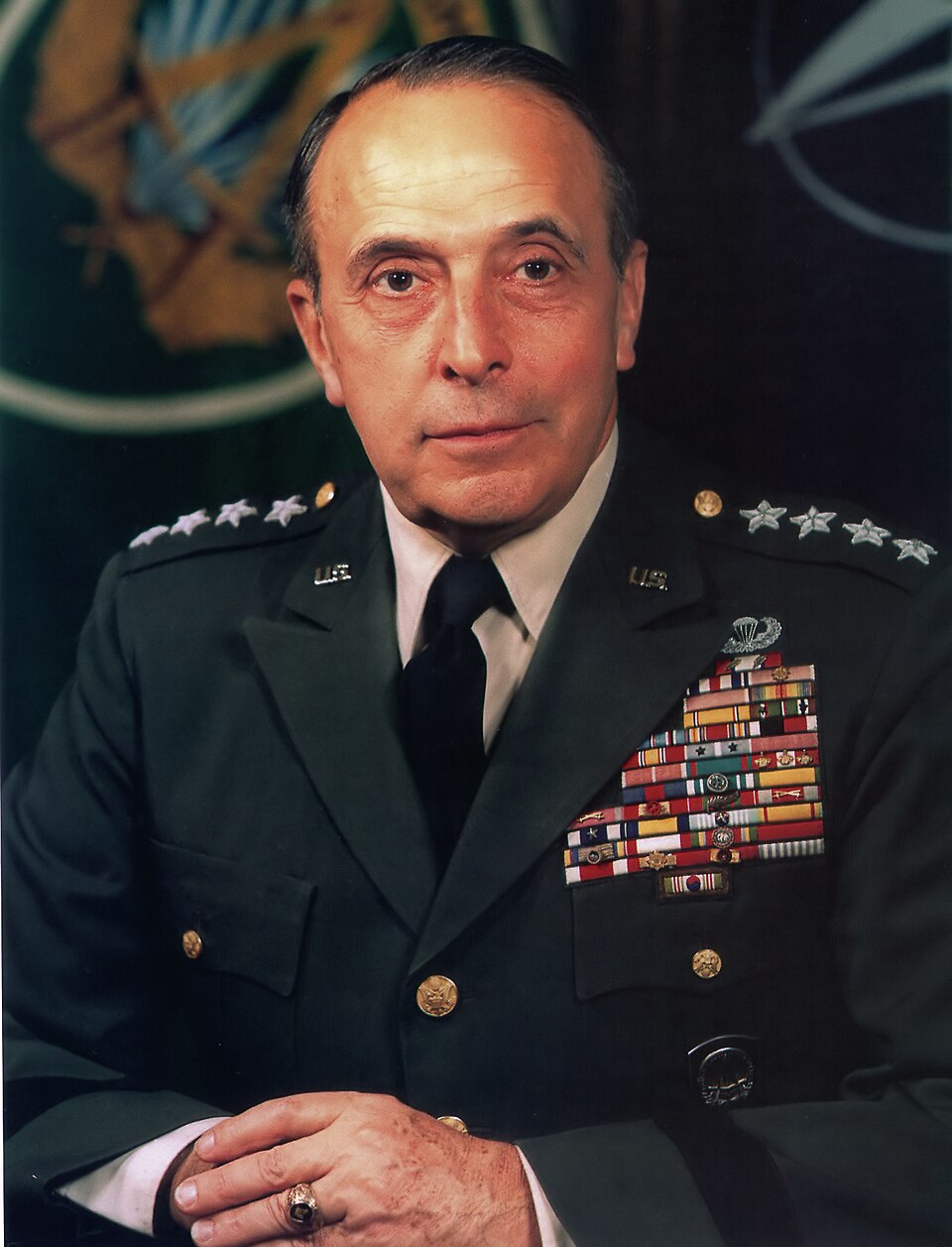
General Lemnitzer signed a 1962 memo proposing a fake Cuban terror campaign in Miami
|
|||||||||
|
|||||||||
|
For 26 years I pulled service files at a federal records center outside St. Louis. Casualty lists crossed my desk most weeks, and every name on one had a folder behind it…
So two words stopped me cold at my dining room table this week, in a memo signed by General Lyman Lemnitzer. He was Chairman of the Joint Chiefs of Staff in March 1962. Kennedy said no three days later, and the Pentagon staged none of it.
Casualty lists. The memo wanted Americans to read them over breakfast and get angry enough to back a war with Cuba.
I was 12 that spring, in Dayton, Ohio. My brother Denny was in high school, and my father read the paper every morning at the kitchen table.
Your family may have read the same kind of paper that year. The Joint Staff had plans for its front page.
|
|||||||||
|
|||||||||
|
|||||||||
|
|||||||||
|
To see how that paper got typed, you have to go back eight days before Lemnitzer signed it.
On March 5, 1962, Brigadier General Edward Lansdale sent a memo to the Pentagon. Lansdale ran Operation Mongoose, the secret drive to bring down Fidel Castro. He asked the Joint Chiefs for a “brief but precise” list of pretexts for sending in US troops.
The Joint Staff answered in eight days. Its annex ran to nine numbered ideas, and Lemnitzer signed the cover memo to Defense Secretary Robert McNamara on March 13.
Every idea in that annex needed the same raw material. Dead Americans, or dead Cubans, or the look of them, printed in your newspaper.
That is the cost I keep coming back to. The plan treated your grief like a tool, and it counted on American newspapers to deliver it.
Three days after he signed, Lemnitzer sat down with Kennedy at the White House. You already know how that meeting ended.
Lansdale wrote up the meeting the same day. Lemnitzer told the President the military had “plans for creating plausible pretexts to use force.” Kennedy said “bluntly” that they were not discussing the use of US military force.
Lemnitzer’s term as Chairman ran out that September. On New Year’s Day 1963 he became NATO’s Supreme Allied Commander, Europe.
His memo went into the Joint Staff files and stayed TOP SECRET. Lemnitzer died in Washington on November 12, 1988, nine years before the public saw it.
The Assassination Records Review Board went looking for Cuba papers in the 1990s. Joint Staff clerks spent about 210 hours going through 48 boxes at the National Archives, and on November 18, 1997, the Board released about 1,500 pages. Lemnitzer’s memo was in the stack.
Most readers met it in April 2001, when James Bamford put it in his book Body of Secrets and ABC News ran the story.
Here is the cover page Lemnitzer signed, as it came out of that stack.
|
|||||||||
Set from the released text of the cover memo, page 1. JCS records, RG 218, JFK Collection, National Archives; reading copy at the National Security Archive.
|
|||||||||
|
|||||||||
|
|||||||||
|
|||||||||
|
|||||||||
|
|||||||||
|
Did your family ever find a name it knew on a casualty list in the paper? Hit reply and tell me the name and the year. I read the letters at the dining room table, and my friend Wes, who ran the microfilm room where I worked, helps me with the ones in pencil.
|
|||||||||
|
|||||||||
|
|||||||||
|
Every casualty list I ever handled had a folder behind each name. Lemnitzer’s annex planned lists for a crew the Joint Staff would make up.
My wife Marilyn came in at eleven and told me to come to bed. I left the memo face down on the scanner, next to my two file boxes.
Casualty lists. Two words, typed at the Pentagon and signed by Lemnitzer, about families like mine…
Talk tomorrow,
Ray
|
|||||||||
|
|||||||||
|
“A popular Government, without popular information, or the means of acquiring it, is but a prologue to a Farce or a Tragedy; or perhaps both.”
JAMES MADISON, LETTER TO W. T. BARRY, AUGUST 4, 1822
|