|
Because the official narrative rarely tells the whole story.
|
|||||||
|
TUESDAY, SEPT. 29, 2026
|
|||||||
|
From the night in the file to the day the NSA released it
15,093 DAYS
4 AUG 1964 → 30 NOV 2005
|
|||||||
|
|||||||
|
Robert Hanyok found the NSA left out nearly 90 percent of the Tonkin intercepts, and the agency kept his finding locked up for more than four years
|
|||||||
|
|||||||
|
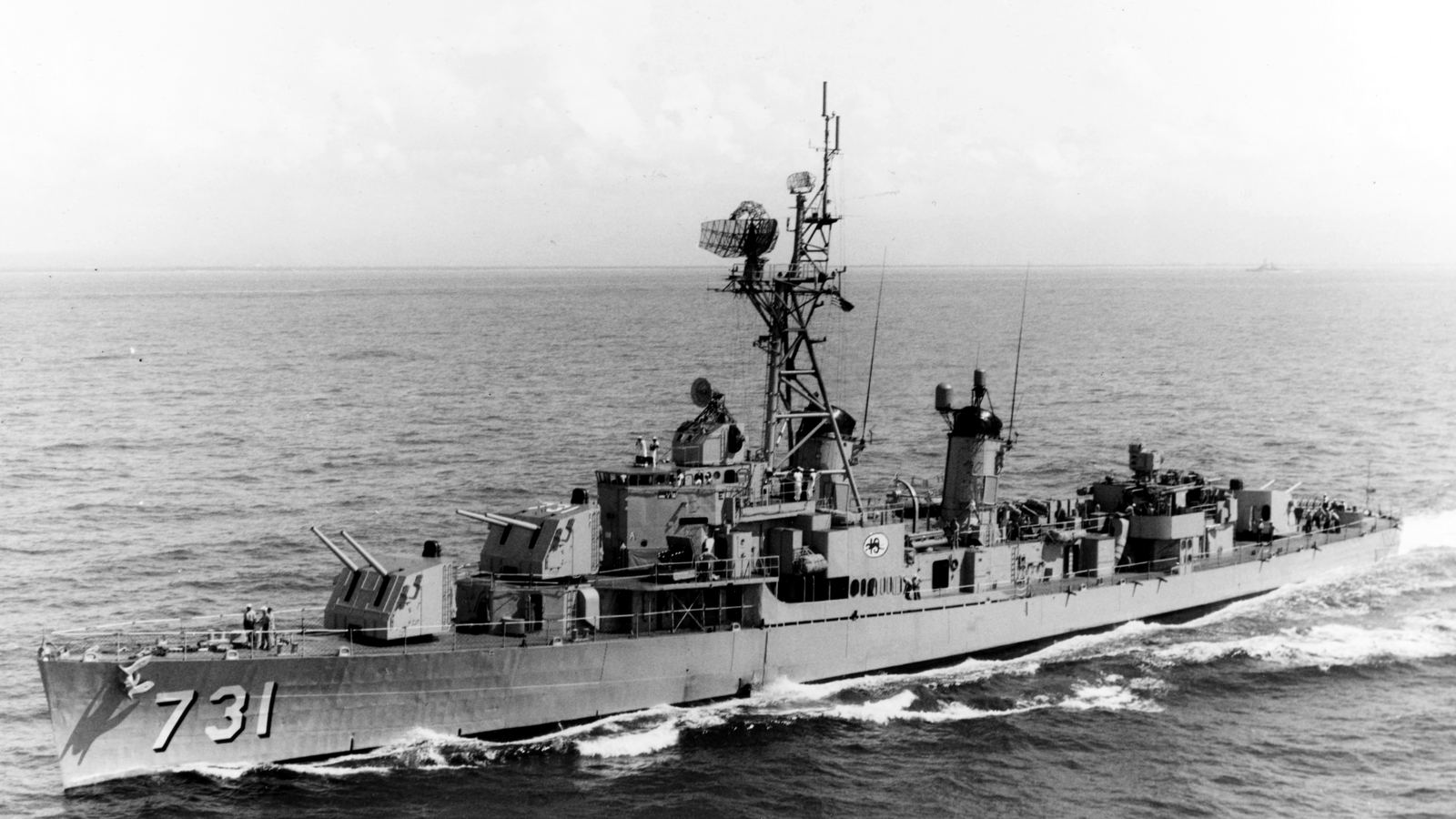
My friend Wes ran the microfilm room where I worked for 26 years, and he still meets me for coffee on Tuesdays. This morning I slid him a page by a National Security Agency historian named Robert Hanyok. I told Wes what the page does not claim before he read it. Hanyok found no plot, and he says the first attack, on August 2, 1964, took place. The second night is the one that led to the war my brother Denny went to. Hanyok wrote that on August 4, Hanoi’s navy spent those dark hours towing two hurt boats home. Wes read it twice, then asked me the question he asks about every file we ever pulled together. How long did it sit in the drawer? More than four years, and it got out only because a researcher named Matthew Aid kept asking for it… To see why a man would spend a year and a half asking for one article, you have to go back to August 1964 and a destroyer called the Maddox. On August 2, three North Vietnamese torpedo boats ran at the Maddox, and jets off the carrier Ticonderoga drove them off. Two nights later, the Maddox and the Turner Joy steamed through heavy seas in the dark. The Turner Joy fired more than 300 rounds at shapes on its radar. James Stockdale flew over the fight that night, and all he saw was black water and the two ships’ own guns. Captain John Herrick, the commander on the scene, sent a cable within the hour. His cable to the Pacific command in Honolulu said the entire action “leaves many doubts.” In Washington, Robert McNamara and the Joint Chiefs leaned hardest on one NSA translation. It said the North Vietnamese had sacrificed two ships. Navy planes hit North Vietnam’s boat bases on August 5. Two days later the Senate passed the Tonkin Gulf Resolution, 88 to 2. Four years after that vote, Denny was over there.
|
|||||||
|
|||||||
|
|||||||
|
|||||||
|
Hanyok went back to those intercepts decades later and did what I did for a living. He pulled all of them. The NSA had built its official version on 15 reports, and Hanyok found 122 more that it had passed over. He wrote that close to 90 percent of what the listening posts heard on August 4 was left out of the NSA summaries. What they heard was Hanoi’s crews working to save two damaged boats. He found the word that changed, too. A Navy listening post in the Philippines had the Vietnamese losing two comrades. In the NSA version, the word was ships. His article ran in the agency’s own classified journal, Cryptologic Quarterly, in early 2001. Then it sat… The New York Times later reported that top NSA men feared the article would invite comparisons with the bad intelligence behind the war in Iraq. Matthew Aid filed his request for it in April 2004. When he learned senior NSA officials were trying to block it, he took the story to Scott Shane at The New York Times. Shane’s story ran on October 31, 2005. Thirty days later, the NSA posted Hanyok’s article with more than 140 other documents. By Hanyok’s own count, over half a million U.S. troops were stationed in Vietnam at the height of the war. Denny was one of them. For 52 years he would talk to me about box scores and gas prices, and then his talk would step around 1968 like a hole in a porch floor. Denny died in his chair in 2021, and the paper that explains how he got over there had been public for 16 years by then. I could have carried it to his house any Sunday. The good time I kept waiting for ran out in 2021. Here’s the part that gets me about how this one got out. The NSA’s own historian found the error, and it still took a FOIA request and a newspaper to pry it loose. Count it the way Wes and I counted files in St. Louis. From the night in the Gulf to the day the article went up, 15,093 days went by.
|
|||||||
Set from the released text: NSA Gulf of Tonkin release, Hanyok article, p. 3. Markings as printed.
|
|||||||
|
|||||||
|
|||||||
|
|||||||
|
|||||||
|
|||||||
|
Did you or your father or brother serve after August 1964? Hit reply and tell me the unit and the year. I read every letter myself, at the dining room table my wife Marilyn keeps asking me to clear.
|
|||||||
|
|||||||
|
|||||||
|
Wes slid the page back to me when the check came. He tapped the line about the single bark and said that is the whole job. Pull every folder, and listen for the dog.
Talk tomorrow,
Ray
|
|||||||
|
|||||||
|
“A popular Government, without popular information, or the means of acquiring it, is but a prologue to a Farce or a Tragedy; or perhaps both.”
JAMES MADISON, LETTER TO W. T. BARRY, AUGUST 4, 1822
|