|
Because the official narrative rarely tells the whole story.
|
|||||||
|
THURSDAY, NOVEMBER 12, 2026
|
|||||||
|
Since the committee filed its report, its files still sealed
17,395 DAYS
29 MAR 1979 → 12 NOV 2026
|
|||||||
|
|||||||
|
The House still keeps its files on a $50,000 St. Louis offer to kill Dr. King under seal
|
|||||||
|
|||||||
|
My wife Marilyn found me at the dining room table past midnight on Sunday. A House report from 1979 was up on the screen, open to a name from twenty minutes up the road. Russell Byers, of Creve Coeur, Missouri.
In 1978, Byers told a House committee that two St. Louis men had offered him $50,000 to kill Dr. Martin Luther King Jr. The committee found that the offer was made. Its strongest word on James Earl Ray, the man it said fired the shot, was that “word of the offer might reach the Ray family.”
Might… that is as far as the committee would go in 1979, and I respect it for saying so.
Here is why I was still up. The FBI had the St. Louis lead years before Congress did, and the House still keeps the files that tell the rest of it under seal.
An FBI informant passed the story along in 1973. The St. Louis field office wrote it up in a report dated March 19, 1974.
Then the report stayed in St. Louis until a 1978 file review in a different FBI case turned it up, four years later.
|
|||||||
|
|||||||
|
|||||||
|
To see what that 1974 report was about, you have to go back to late 1966 or early 1967. Byers could not pin it closer than that.
He told the committee that John Kauffmann asked if he would like to make $50,000. Byers asked what he would have to do to earn it.
The answer came from John Sutherland, a St. Louis patent attorney. Sutherland said Byers would have to kill Dr. King, or arrange to have him killed.
Byers said he neither took the deal nor turned it down, and he told them he would think it over.
On April 4, 1968, Dr. King was shot in Memphis.
My brother Denny was in Vietnam that spring. His letters home that year ran to the heat, the chow and the Reds’ pitching, and Memphis was a hole in the middle of them.
I was a kid pumping gas in Dayton, Ohio, and the day the news came is a blank for me.
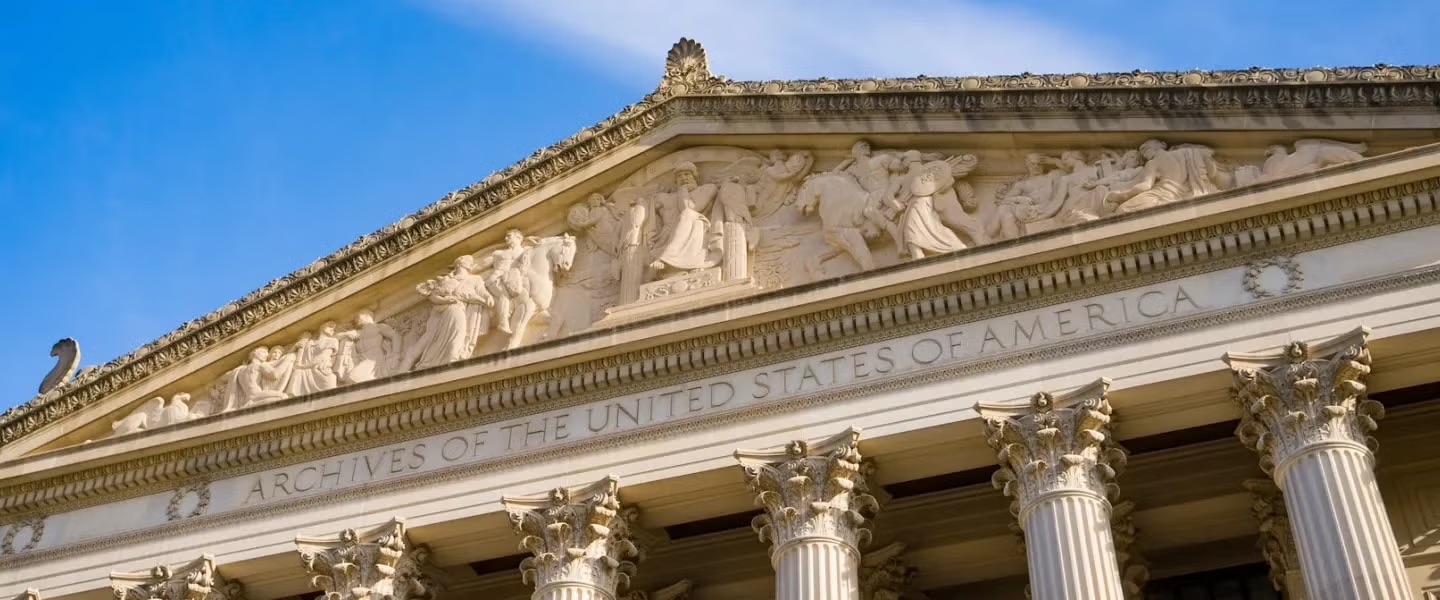
You already know where the committee landed on Byers. It filed its report on March 29, 1979, and its working files went to the House archives under seal.
A letter from Edmund L. Henshaw Jr., the Clerk of the House, went with them. Under House Rule VII, those files stay shut until the Clerk says otherwise.
Slate reported last December what is in them. Closed-door testimony from Byers, from James Earl Ray, and from his brothers John and Jerry.
In July 2025, the government put more than 240,000 pages of FBI files on Dr. King online. The House files stayed shut.
Byers died in October 2025, at 94, Slate reported. His closed-door testimony outlived him.
Stuart Wexler, an author and researcher on the King case, sat before a House task force in January 2026 and asked for the Clerk to lift the seal.
Wexler told them the House’s 50-year rule keeps the files closed until 2029. A letter from the Clerk could open them sooner.
I told Wes about it over coffee on Tuesday. Wes ran the microfilm room at the records center where I worked, and he put it in one line. A letter shut those files in 1979, and a letter can open them.
As of the last public word I can find, Wexler’s testimony in January, the seal holds.
|
|||||||
|
|||||||
|
|||||||
|
|||||||
|
|||||||
|
Hit reply and tell me where you were on April 4, 1968. I read every letter, and I answer the ones I can.
|
|||||||
|
|||||||
|
|||||||
|
The FBI’s word for the four years that St. Louis report sat was inadvertence.
I pulled files for 26 years, and here is what I learned about a misfile. It is an accident on the first day. Every day after that, it is a choice.
The House files are a different case. They sit right where the Clerk put them in 1979.
Marilyn came back down at one and turned the screen off herself. I let her.
Talk tomorrow,
Ray
|
|||||||
|
|||||||
|
“A popular Government, without popular information, or the means of acquiring it, is but a prologue to a Farce or a Tragedy; or perhaps both.”
JAMES MADISON, LETTER TO W. T. BARRY, AUGUST 4, 1822
|