|
Because the official narrative rarely tells the whole story.
|
||||||||
|
MONDAY, OCTOBER 26, 2026
|
||||||||
|
From the meeting to the memo that surfaced it
14,752 DAYS
18 JAN 1955 → 9 JUN 1995
|
||||||||
|
||||||||
|
A future Nobel laureate told a secret 1955 meeting that good body snatchers would be serving their country
|
||||||||
|
||||||||
|
My wife Marilyn keeps a tin button in her jewelry box. It shows a boy with a gap in his front teeth, and it says “I gave my tooth to science.”
She grew up in St. Louis, and in 1959 her mother put one of her baby teeth in an envelope and mailed it to the Baby Tooth Survey. The survey took in 320,000 teeth before it closed in 1970.
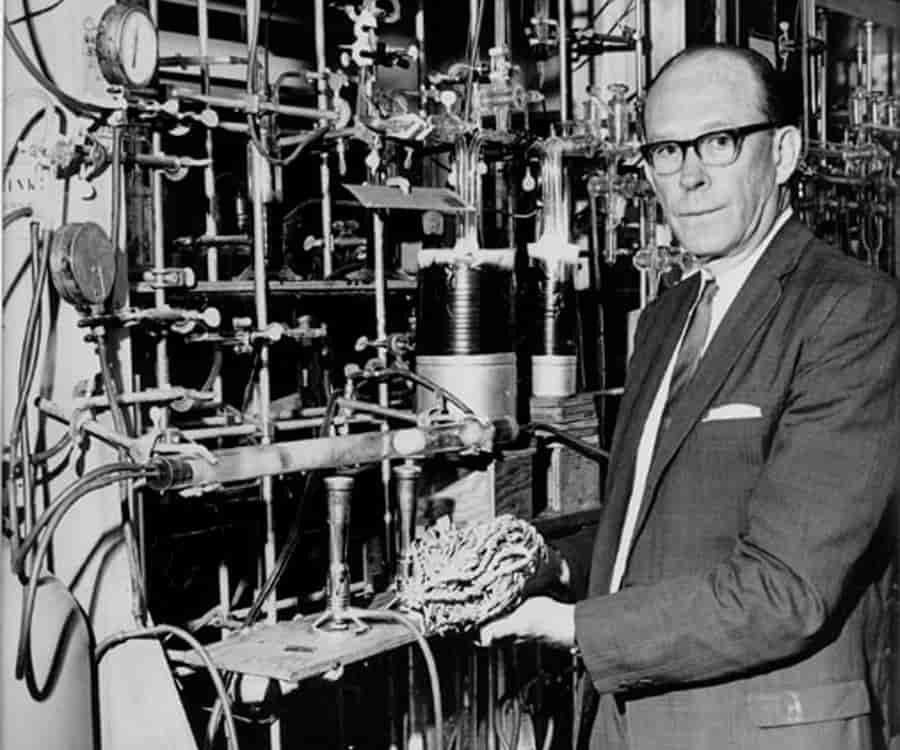
Last week I held that button in one hand and a 1955 transcript in the other, and Willard Libby is the man doing the talking in it.
Libby sat on the Atomic Energy Commission, and five years later he won the Nobel Prize in chemistry. On January 18, 1955, at a secret meeting, he told the room the AEC was short of human samples, and the young ones most of all.
Then he said anybody good at “body snatching” would be “serving their country.”
To be fair to Libby, the danger was there, because fallout from bomb tests was putting strontium-90 into children’s bones, and his project’s numbers helped end the open-air tests.
Marilyn’s mother chose to mail that tooth. In 1995 a presidential committee read this file for any AEC plan to tell the families of the dead, and it came up empty.
Twenty-six years of pulling federal files taught me to read cold paper without flinching. This one I read twice...
|
||||||||
|
||||||||
|
||||||||
|
||||||||
|
To see why a man headed for a Nobel said that out loud, you have to go back ten months, to the Pacific.
In March 1954 the Bravo shot in the Castle test series dumped fallout on the Marshall Islands, and the whole world heard about it.
Dr. John Bugher ran the AEC’s biology and medicine division. He opened the January meeting with a plain line: “events have overtaken us.”
Then he gave the floor to Libby, who said the worst gap in the data was human samples, young ones above all. The supply of stillborn babies, he said, had been “cut off.”
You already know what he asked for next, and four pages later he told the room the AEC had hired a law firm in 1953 to look up the law of body snatching. Its answer was bad news.
J. Laurence Kulp of Columbia had a fix, because he had “channels” in Vancouver, Houston and New York, and he could get “all deaths between one and thirty.”
Libby told him, “That is wonderful.”
Those channels ran on numbers, and The Globe and Mail later reported that the project’s 1955–56 report logged 1,300 human bone samples, and at least 127 came from Vancouver. One is listed as B-199.
By 1995 the count had grown, and the GAO found nearly 9,000 human bone samples in the largest fallout tissue study it reviewed that year.
Two years after the meeting, Libby got a pitch from the National Institutes of Health to collect baby teeth. He liked the idea, but in June 1957 he wrote back, “I would not encourage publicity.”
St. Louis went the other way. In December 1958 a committee of scientists and mothers asked for teeth through schools and Scout troops, and every child got a button.
Dr. Louise Reiss put the first numbers in the journal Science in November 1961. Bottle-fed St. Louis kids born in late 1954 had more than three times the strontium-90 in their teeth of kids born in late 1951.
On July 26, 1963, President Kennedy went on television to announce a ban on open-air tests.
Libby’s transcript stayed Secret for 32 more years. It came out in 1995 because a presidential committee asked for it...
|
||||||||
Set from the excerpts printed in the ACHRE staff memorandum of June 9, 1995, Attachment 1. Bracket as filed by the committee staff. Original transcript: National Archives.
|
||||||||
|
||||||||
|
||||||||
|
||||||||
|
||||||||
|
||||||||
|
If your family sent a tooth to St. Louis or kept one of those buttons, hit reply and tell me what you remember.
|
||||||||
|
||||||||
|
||||||||
|
Marilyn’s button is back in her jewelry box.
Her mother gave a tooth because a school flyer asked her to. The men in that 1955 room called their side of it “serving their country.”
I keep coming back to one word. Asked.
Talk tomorrow,
Ray
|
||||||||
|
||||||||
|
“A popular Government, without popular information, or the means of acquiring it, is but a prologue to a Farce or a Tragedy; or perhaps both.”
JAMES MADISON, LETTER TO W. T. BARRY, AUGUST 4, 1822
|